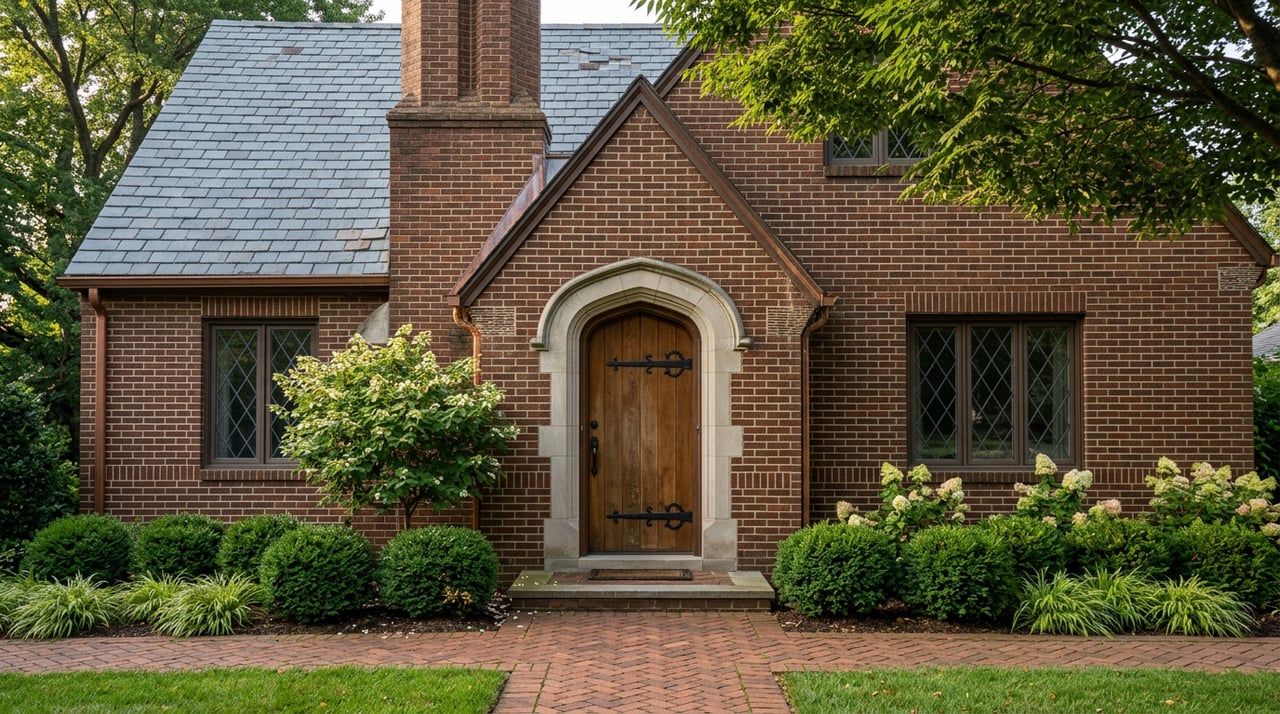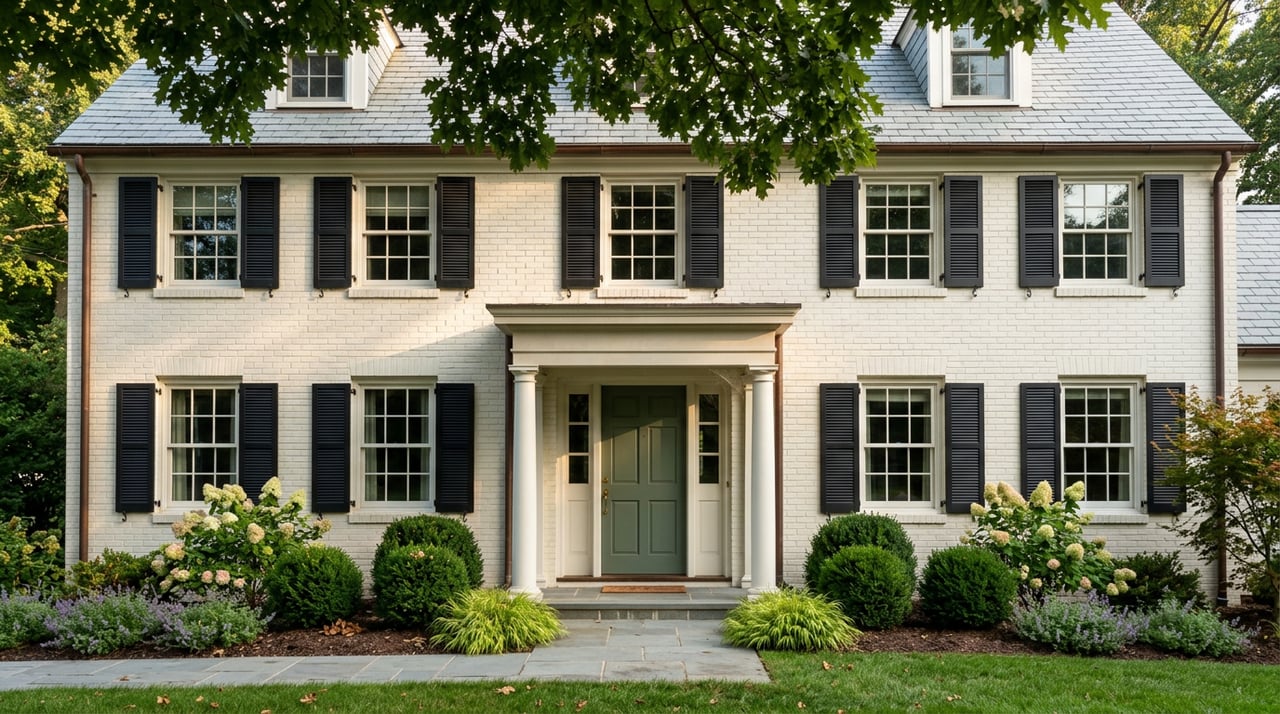
A fixer-upper in Roslyn can look like a smart value play at first glance, but this village asks you to look deeper than finishes and floor plans. If you are hoping to buy a home with upside, you need to understand how permits, historic review, site conditions, and renovation costs can shape the real numbers. The good news is that with the right evaluation process, you can spot the difference between a worthwhile project and an expensive surprise. Let’s dive in.
Why Roslyn Fixer-Uppers Need Extra Review
Roslyn is not a market where you can assume every renovation follows the same path. The broader Roslyn area includes multiple incorporated villages as well as Roslyn Heights, so the exact property location matters before you make assumptions about rules, approvals, or timing.
Within the Village of Roslyn, preservation and neighborhood character play a meaningful role in how homes are maintained and improved. Village materials note that many historic buildings date back to the 19th century, and a large share of the village falls within a historic or scenic overlay district. That means a fixer-upper here is often about more than cosmetic updates.
In practical terms, exterior changes, drainage concerns, and architectural compatibility can all affect your renovation path. A house with visible wear may still be a great opportunity, but the cost, timeline, and resale strategy need to reflect Roslyn’s local conditions.
Start With the House Itself
Check the Layout First
Before you focus on paint colors or kitchen ideas, ask whether the layout can be improved without triggering major structural work. In Roslyn, most home improvements and alterations require permits, and the village specifically lists finished basements, attics, bathrooms, excavation, grading, fences, walls, decks, patios, central air, driveways, plumbing, heating conversions, and generators among the types of work that can require approval.
That matters because a layout that looks simple to change can become far more involved once plans, inspections, and approvals are added. If your vision depends on moving walls, altering the exterior, or reworking a lower level, you should treat that as a more serious project from day one.
Separate Cosmetic Work From Hidden Problems
Some fixer-uppers mainly need surface improvements. Paint, flooring, fixtures, trim, and cabinetry can often improve a home’s appearance without changing the structure or building envelope.
The bigger risk is hidden work. Roslyn’s permit guidance notes that larger projects may require a licensed architect or engineer, approved plans must remain on site, and plan changes must be reapproved before work continues. That is a reminder that structural, mechanical, and code-related issues are what can turn a manageable renovation into a much larger commitment.
Look Closely at Site Conditions
Site conditions matter in Roslyn, especially in a village known for steep hills and waterfront-related conditions. During a showing or inspection, pay close attention to signs of water intrusion, uneven floors, settlement, cracked masonry, and grading that pushes runoff toward the house.
Retaining walls and drainage patterns deserve special attention as well. Even if the interior needs only modest updating, site work can add major cost and complexity, particularly when exterior improvements also require permits or review.
Understand Roslyn Permits and Historic Review
Most Renovations Need Permits
One of the biggest mistakes buyers make is underestimating the permit process. In Roslyn, most alterations require a permit, which means your renovation budget should account for more than labor and materials.
You should also expect paperwork, scheduling, and inspections to be part of the project from the start. In a market like Roslyn, the renovation path is part of the investment analysis.
Exterior Work Can Face Extra Review
If a property is in the historic district, exterior work requires Historic District Board approval. Village guidance states that changes involving paint, siding, windows, roofing, lighting, landscape features, walls, fences, masonry, and similar items require both a permit and historic board review.
Some applications may also require Planning Board or Zoning Board of Appeals review. For you as a buyer, that means a home with obvious exterior needs may take longer and cost more to update than a similar property in a less regulated setting.
Paperwork Is Not Optional
Roslyn’s building permit instructions require two sets of plans, a survey, and for new construction, a deed copy. The village also requires properly licensed contractors, including Nassau County Consumer Affairs licensing for contractors listed on the permit, Nassau County licensing for electricians, and village licensing for plumbers.
A new property survey is also required before a certificate of occupancy or certificate of completion will be issued. If you are evaluating a fixer-upper, treat permit paperwork and professional coordination as part of the real workload, not a side task.
Timelines Can Stretch
Roslyn states that permit approval can take two or more weeks depending on scheduling. Permits are valid for one year, with extensions capped at no more than two years, and some projects may involve 12 or more inspections.
The village also requires 72 hours’ notice to schedule an inspection after a permit is issued. That means your timeline should account for approval delays and inspection scheduling, not just construction days on a contractor estimate.
Test for Older-Home Risks
Older homes can offer charm and long-term upside, but they can also carry health and safety issues that should be checked before renovation begins. Roslyn’s exterior maintenance guidance warns that older buildings may contain asbestos, lead, radon, and mold.
If the home was built before 1978, lead-safe renovation practices matter when painted surfaces will be disturbed. Suspected asbestos materials should be evaluated before renovation, and radon testing is especially important before and after renovations, particularly if you plan to finish a basement.
Moisture issues should be taken seriously as well. A basement that smells musty or shows signs of prior leaks may point to drainage or mold concerns that deserve closer review before you move forward.
Build a Realistic Roslyn Budget
Use an All-In Cost Model
A fixer-upper budget should go far beyond the contractor’s first estimate. Renovation guidance referenced in the research includes not only labor and materials, but also permits, plans and specifications, inspections, and other project-related expenses.
For many buyers, the smartest approach is to create an all-in number that includes:
- Purchase price
- Renovation costs
- Permit and filing costs
- Architect or engineer fees if needed
- Survey costs
- Inspection expenses
- Carrying costs during construction
- A contingency reserve
Add a Meaningful Contingency
Contingency reserves are especially important for older homes and regulated renovation environments. The research notes that 10% is a common minimum reserve in renovation scenarios, and that reserves can rise to 15% when the scope is more complex.
In Roslyn, that buffer matters because hidden conditions, exterior review, and site-related issues can all change the cost picture after closing. If your deal only works with a very thin margin for error, it may not be the right project.
Evaluate Resale Potential Carefully
A good fixer-upper is not just about buying low. You also need to think about whether the renovation plan makes sense for Roslyn and whether the finished product will be easy to support at resale.
In this village, projects that improve function, condition, and livability while staying visually compatible with the home’s original character are often easier to justify than highly customized over-renovations. That idea follows the village’s preservation framework, especially where exterior changes are reviewed closely.
Before you commit, compare your expected all-in cost against a conservative after-repair value. If the numbers only work under optimistic resale assumptions, it is a signal to slow down and reassess.
A Simple Roslyn Fixer-Upper Checklist
If you are considering a fixer-upper in Roslyn, use this checklist before making an offer:
- Confirm the property’s exact jurisdiction and whether it is in a historic or scenic overlay district
- Ask for permit history, open violations, and certificates of occupancy or completion
- Review any prior approvals for exterior work
- Assess whether your layout plans are cosmetic or likely to trigger structural or permit-heavy work
- Look for water intrusion, grading issues, settlement, and cracked masonry
- Evaluate older-home concerns such as lead, asbestos, radon, and moisture
- Build your budget with soft costs and a real contingency reserve
- Compare your all-in cost to a conservative after-repair value
Why Local Guidance Matters
In a place like Roslyn, the best opportunities often come from understanding both the house and the process behind the house. A property may have strong potential, but only if you evaluate its condition, permit path, site issues, and budget with clear eyes.
That is where local market knowledge and renovation awareness can make a real difference. If you want help thinking through a Roslyn fixer-upper, from property selection to resale logic, Richard Baumel can help you evaluate the opportunity with a practical, informed approach.
FAQs
What should you check first when evaluating a fixer-upper in Roslyn?
- Start by confirming the property’s exact jurisdiction, layout potential, site conditions, and whether it falls within a historic or scenic overlay district.
Do most fixer-upper renovations in Roslyn require permits?
- Yes. Village guidance states that most home improvements and alterations require permits, including many interior, exterior, mechanical, and site-related projects.
Does exterior work in Roslyn face historic review?
- Yes, if the property is in the historic district. Exterior changes such as siding, windows, roofing, fences, masonry, and similar items require permit review and Historic District Board approval.
Why are drainage and site conditions important for Roslyn homes?
- Roslyn’s steep hills and waterfront-related conditions can make water intrusion, runoff, settlement, and retaining wall issues more expensive and more complicated to address.
How much contingency should you budget for a Roslyn fixer-upper?
- A meaningful contingency is essential. The research supports using at least a 10% reserve, with 15% worth considering for more complex renovation scopes.
What older-home hazards should you evaluate before renovating in Roslyn?
- Common concerns include lead, asbestos, radon, mold, and moisture issues, especially in older homes or before finishing a basement.